R K Misra in Outlook India
Gujarat and its 'model' have been the toast of the Indian season ever since its Chief Minister, Narendra Modi became the Prime Minister in 2014.This includes its liquor prohibition policy which has adherents like Bihar now where Nitish Kumar came to power after knocking the wind out of Modi's sails!
Billowing in the political clouds ever since, are propounded perceptions of a 'dry' India. Kumar could do with a closer look at adversary Modi's 'model' state before giving wings to his national vision.
Proud and boastful of the fact that it has been the only state in the country which was born 'dry' and continues to remain so till date, Gujarat's much hyped liquor 'totalitarianism' took a humpty-dumpty like fall last week when over 20 people died after consuming hooch near Surat. What has now become a standard drill after decades of practice, is in place. Newly anointed Chief Minister Vijay Rupani is making all the right noises. Top cops and district heads-transferred, smaller fry suspended. The anti-terrorist squad (ATS) chief took charge of investigations. A three-man top cop panel headed by additional director general of police (ADGP), looked into the matter and submitted its report to the state home department head. Within 24 hours over a thousand country liquor cases registered. Carton loads are being seized at entry checkpoints into the state. A full blooded search for the culprit methanol is under way. Blah, blah, blah and the farce goes on.
Consumption or possession of liquor without a valid permit is a non-bailable offence in the state. A person arrested on either count has to be produced in court to be bailed out. And yet it oozes Bacchus brew from every nook and cranny of its ample frame.
Booze, as the upwardly mobile call it, is lucrative business and according to conservative estimates, a Rs 30,000 crore annual turnover, pure black money spewing industry. While Prime Minister Modi may have pulled out all the stops to unearth Indian black money stashed abroad, his decade and a quarter year stint as chief minister of the state, failed to dent the business. In fact, to be fair to him, no chief minister who held office in the state was ever able to stem the flow.
The business has three components. At the bottom of the pyramid is the poor man's drink--hooch, lattha or moonshine. Then follows the desi or country liquor which is the preferred drink of rural Gujarat followed by brewery liquor at the apex (rum, whisky, gin, vodka etc). Hooch is the preferred drink of the urban labour class while 'desi' distilled, largely for captive consumption in villages, ranks safer and a notch higher. The fruit liquor 'mahua' ranks in this category. With a consumer base of the middle and affluent class in cities and towns, Indian Made Foreign Liquor (IMFL) as brewery made liquor is called in official parlance, holds sway. Country liquor is a cottage industry but brewery liquor flows into the state from MP, Rajasthan, Maharashtra even Punjab and Haryana.
Let's take the case of Gujarat's biggest city Ahmedabad. A network of about 1000 bootleggers sell anywhere between 1.5 to2 lakh litres of moonshine per day. Women outnumber men in this business. This is besides the IMFL business where the brand of your choice is home delivered to you. The trade is tech-savvy and 'whats app' and other suchn mobile applications come in handy. Surat is reported to guzzle 50,000 litres per day and almost 70 per cent of the 18,000 villages in the state brew their own country liquor. All major cities report high consumption and rural areas are no exception. There are 61,000 health permit holders in the state and worth of the average daily consumption of alcohol to permit holders is put at around Rs 75 lakhs.
No bootlegger can operate in Gujarat without police connivance. At every 'point' of the operation, negotiations have to be done with the cop for a certain amount of money and this goes right up to the top and from there to the political top brass. The cops may be sloppy in policing but would be the envy of management experts in planning and distribution of ill-gotten spoils.
Thus it is the huge amount of unadulterated black money greasing the administrative-political system in Gujarat that ensures a high decibel sound and light show only for the benefit of the masses with little or no follow-up action. Take the case of the 2009 hooch tragedy in Ahmedabad where 150 people lost their lives. Modi, then the chief minister, made all the appropriate noises. A Commission of Inquiry was instituted with former High Court judge K M Mehta as the chairman. The panel submitted its report in 2011 and there has been pin drop silence thereafter. The Gujarat Vidhan Sabha was quick to amend the pertinent act provisioning for even death penalty for those convicted in spurious liquor cases. The Bill was cleared by the then Governor Dr Kamala Beniwal. Not a single person has got life imprisonment thereafter, let alone terminal punishment.
The whole business of prohibition in Gujarat is a big charade in which everyone is happy and the only ones who stand to lose out are the people. Gujarat is soggy wet so those who want to drink, get enough of it but for a price. The cop is happy, he gets his cut and the politician in power more so because he gets a fair share as well besides the rip off from transfers and postings by playing favourites. Right from the sub-inspector to the DGP, the transfers are all at the behest of the Home department and the politicians who preside over it. The bootlegger is happy because he still manages to make money for himself despite all the pricks and cuts. It is only the honest tax payer who gets fobbed because the state loses a huge amount of money in excise and allied duties. Never mind this common man, he was in any case, born to bear the burden of the cross. Moonshine for the earthy, sunshine for the dirty.
Saturday, 24 September 2016
Do we really want post-Brexit Britain to be the world’s biggest tax haven?
Molly Scott Cato in The Guardian
Of all my political activities in the European parliament my work on challenging tax-dodging by wealthy individuals and corporations is perhaps the area where the most has been achieved.
Yet as a British MEP it has been a constant source of embarrassment to learn the central role played by the City of London and the UK’s overseas territories in the network of tax havens that facilitate a tiny minority to live beyond tax law.
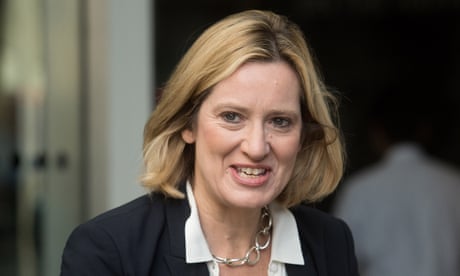
Amber Rudd facing calls to clarify involvement in tax havens
This was first demonstrated by the Panama Papers and now confirmed by theBahamas leaks. I am left wondering, in post-EU referendum Britain, whether we will see the UK government challenge or collude with this tax-avoidance industry. If the response to the discovery that home secretary Amber Rudd was previously director of two asset-management companies based in the Bahamas is anything to go by, alarm bells should be ringing.
My own attempts to challenge Rudd have led me to believe that rightwing media figures, along with the Conservative government and the banks, are keener to shut down legitimate lines of inquiry on tax dodging than they are to shut down tax havens.
This was most clearly demonstrated to me during an interview with Andrew Neil on the Daily Politics show. Neil defended Rudd’s actions on the grounds there was no proof she had done anything illegal. Yet the whole purpose of tax havens is to allow the wealthy to hide behind a wall of secrecy legally.
Indeed, we only know of Rudd’s past career because of the Bahamas leaks. When asked in interview some months ago if she had money in any offshore trusts, Rudd replied that she didn’t. She also defended David Cameron over his father’s investment fund in the Bahamas that was exposed by the Panama Papers. At least Cameron had the defence that the decision to set up a trust in the Bahamas was taken by his father. It was Rudd’s own decision to become embroiled in two offshore companies in the Bahamas, something she failed to disclose.
Generally, people do not set up companies in the Bahamas to enjoy the subtropical climate. They are more likely drawn there by the fact the islands demand no income, corporate or wealth taxes from individuals investing in offshore companies. No evidence has emerged that Rudd herself or the companies avoided paying tax but at the very least, a fuller statement explaining the purpose of the directorships and whether she personally profited from them seems reasonable.
Unless Rudd makes such a statement it is difficult to see how Theresa May can continue to have confidence in her as home secretary. During her short leadership campaign and on the steps of No 10, May spoke noble words about the need to turn Britain into a country that works for the many, not the few. This is precisely the opposite of what tax havens do. They are a system used by a tiny elite composed of the super-wealthy precisely to avoid contributing their fair share to society.
So is Rudd on the side of the many, whose services have been cut to the bone because of insufficient tax revenues, or is she on the side of the wealthy few who avoid paying taxes?
Follow the money: inside the world's tax havens
Far from being a sideshow, what some are calling Ruddgate goes to the heart of the question of what type of society we want in the wake of the EU referendum. Will we follow the lead taken by Europe in promoting fair taxation, most notably demonstrated in recent weeks by EU competition commissioner Margrethe Vestager, who ordered Apple to pay €13bn in back taxes? Or will we follow the route being pushed by some hard-Brexit supporters and become one of the globe’s leading tax havens? The answer depends on the actions we take now, and whether we have the courage to demand the highest standards of those who govern our country.
The European parliament’s committee investigating the Panama Papers leaks already has the chancellor Philip Hammond, his predecessor Osborne and former prime minister David Cameron on our invitation list. Following the latest revelations, we will be adding the name of the home secretary.
Of all my political activities in the European parliament my work on challenging tax-dodging by wealthy individuals and corporations is perhaps the area where the most has been achieved.
Yet as a British MEP it has been a constant source of embarrassment to learn the central role played by the City of London and the UK’s overseas territories in the network of tax havens that facilitate a tiny minority to live beyond tax law.
Amber Rudd facing calls to clarify involvement in tax havens
This was first demonstrated by the Panama Papers and now confirmed by theBahamas leaks. I am left wondering, in post-EU referendum Britain, whether we will see the UK government challenge or collude with this tax-avoidance industry. If the response to the discovery that home secretary Amber Rudd was previously director of two asset-management companies based in the Bahamas is anything to go by, alarm bells should be ringing.
My own attempts to challenge Rudd have led me to believe that rightwing media figures, along with the Conservative government and the banks, are keener to shut down legitimate lines of inquiry on tax dodging than they are to shut down tax havens.
This was most clearly demonstrated to me during an interview with Andrew Neil on the Daily Politics show. Neil defended Rudd’s actions on the grounds there was no proof she had done anything illegal. Yet the whole purpose of tax havens is to allow the wealthy to hide behind a wall of secrecy legally.
Indeed, we only know of Rudd’s past career because of the Bahamas leaks. When asked in interview some months ago if she had money in any offshore trusts, Rudd replied that she didn’t. She also defended David Cameron over his father’s investment fund in the Bahamas that was exposed by the Panama Papers. At least Cameron had the defence that the decision to set up a trust in the Bahamas was taken by his father. It was Rudd’s own decision to become embroiled in two offshore companies in the Bahamas, something she failed to disclose.
Generally, people do not set up companies in the Bahamas to enjoy the subtropical climate. They are more likely drawn there by the fact the islands demand no income, corporate or wealth taxes from individuals investing in offshore companies. No evidence has emerged that Rudd herself or the companies avoided paying tax but at the very least, a fuller statement explaining the purpose of the directorships and whether she personally profited from them seems reasonable.
Unless Rudd makes such a statement it is difficult to see how Theresa May can continue to have confidence in her as home secretary. During her short leadership campaign and on the steps of No 10, May spoke noble words about the need to turn Britain into a country that works for the many, not the few. This is precisely the opposite of what tax havens do. They are a system used by a tiny elite composed of the super-wealthy precisely to avoid contributing their fair share to society.
So is Rudd on the side of the many, whose services have been cut to the bone because of insufficient tax revenues, or is she on the side of the wealthy few who avoid paying taxes?
Follow the money: inside the world's tax havens
Far from being a sideshow, what some are calling Ruddgate goes to the heart of the question of what type of society we want in the wake of the EU referendum. Will we follow the lead taken by Europe in promoting fair taxation, most notably demonstrated in recent weeks by EU competition commissioner Margrethe Vestager, who ordered Apple to pay €13bn in back taxes? Or will we follow the route being pushed by some hard-Brexit supporters and become one of the globe’s leading tax havens? The answer depends on the actions we take now, and whether we have the courage to demand the highest standards of those who govern our country.
The European parliament’s committee investigating the Panama Papers leaks already has the chancellor Philip Hammond, his predecessor Osborne and former prime minister David Cameron on our invitation list. Following the latest revelations, we will be adding the name of the home secretary.
Friday, 23 September 2016
Labour MPs are finally accepting the terrifying victory of Jeremy Corbyn's mass movement
Fraser Nelson in The Independent
At lunchtime tomorrow, most Labour MPs will be sinking to a new depth of despair. The party will announce the results of a leadership challenge that was intended to either weaken or depose Jeremy Corbyn but will instead make him stronger than ever. The race has been decided by a Labour Party now 70 per cent composed of people who signed up after last year’s general election, delighted with the direction of the Corbyn project and convinced that he’s going to win. We have just witnessed something unprecedented in Western democracy: the takeover not just of a party’s leadership, but of its membership.
It’s not just that Owen Smith will be crushed tomorrow, it’s that the whole premise of his leadership bid was flawed. Just a few months ago, most Labour MPs signed a motion of no confidence against their leader and regarded his election as a freak, a historical burp from the Seventies. Now, they are coming to realise that he is the unlikely face of a very modern phenomenon where radical politics combines with digital technology to mobilise thousands of people who agree to click petitions. And even spend £3 (or, this time, £25) to join Labour, vote for Corbyn and shake things up. This army, once raised, represents a force that is very difficult for MPs to overcome.
In a rare BBC radio interview this week, Mr Corbyn said that things must be going well for Labour because he doesn’t recognise the people he sees at rallies nowadays. He wasn’t joking; for most of his political lifetime, he has been shaking fists with old friends. The hard Left spent decades scattered across Britain feuding with one another and selling (or, rather, not selling) copies of Socialist Worker outside stations. There are no more Trots now than there were then, but the digital era has allowed this happy few to join forces with thousands of “clicktivists”.
This is one of the great gifts of modern technology: the ability to turn a political party upside down without leaving your bedroom. Studies show just one in seven of Labour’s fiery new members are prepared to hit the doorsteps. Two thirds admit they put in no time campaigning in local, mayoral and devolved elections. But it’s amazing what trouble you can cause on a mobile phone nowadays. Before Andrew Feldman quit as Tory chairman, he told me he’d found that the most effective way of mobilising voters – other than doorstep visits – was persuading people to share Tory messages on Facebook.
In this way, the exigencies of the digital age have created a seemingly inexhaustible supply of Corbynites. Some 400,000 have signed up to Labour, in one way or another, since the general election. A YouGov poll of these members found a gulf between their views. The new ones loathe Trident, America and military action. They admire the SNP and the Greens (a party from whom many Corbyn-era members have defected). They think Ed Miliband lost last year because he was not Left-wing enough. The old Labour members tend to oppose all such views, as do most Labour MPs.
If the Labour MPs could run off with the old Labour Party members they’d be fine. This option is discussed. It happened in 1981 when Shirley Williams, Roy Jenkins, David Owen and Bill Rodgers left Labour to create the Social Democratic Party. But these were well-known and substantial figures; a former home secretary, education secretary and foreign secretary whose personal brands embodied the values of a new party. Who does Labour have to do this now? The likes of Chuka Umunna and Tristram Hunt are ambitious, but not delusionally vain. To have another Gang of Four, you need a four.
The Labour frontbenchers who resigned en masse following the Brexit vote thought they were making a break for freedom. Now they themselves are trapped in a political equivalent of a Sartre play, an electoral hell with no exit. No tactical options are now open to them, but they face plenty of tactical threats. The emboldened Corbynistas can be expected to start a purge of their enemies, which should be easy when so many Labour MPs are having their constituencies redrawn and face reselection battles. Momentum, the hard-Left militia behind Corbyn, can be expected to fight for every seat.
To many MPs, Mr Corbyn’s offer to “wipe the slate clean” after tomorrow’s election result sounds more like a Mafioso threat than a peace offering. Already, Labour’s civil war has moved the jungle of the party’s rules and committee procedures. On Tuesday, Labour’s 33-member National Executive Committee spent eight hours fighting over whether to appoint Scottish and Welsh representatives. It sounds self-indulgent, until you remember that the power balance on the NEC will decide Labour’s future (or lack thereof).
The Labour moderates now have only one option left. They shouldn’t do any more plotting, something they were never any good at. Nor should they set up a splinter party, and abandon the ship to the pirates. They need to stay, if they’re spared, and work out: what do they stand for? What’s the moral case against Jeremy Corbyn, and how to convince people of it? If the far-Left can persuade new people to join the Labour Party, moderates can too – but first they need a cause in which to enlist people. To work out where the Labour Party should fit in following the most extraordinary British political drama for 75 years.
Things look rather bleak for Labour now, but British politics tends not to stand still for long. There are several scenarios for recovery. Imagine, for example, that David Cameron’s progressive Conservatism project, which robbed Labour of a plausible agenda, is abandoned by Theresa May – not because it didn’t work, but because it was his rather than hers. When Cameron occupied so much of the middle ground, Labour was forced to extremes. But if the Tories now edge back towards their comfort zone, abandoning their one nation agenda, Labour moderates would have an obvious opening.
Ever since Mr Corbyn’s first victory, Labour MPs have been walking about in disbelief – obsessing about what trick, or what candidate, might dislodge him. They should have started with a more basic question: why oppose him? Why should people join Labour to back their side of the argument? It’s a tougher question, and one that requires great thought. Their only consolation is that they will, now, have plenty of time to do the thinking.
At lunchtime tomorrow, most Labour MPs will be sinking to a new depth of despair. The party will announce the results of a leadership challenge that was intended to either weaken or depose Jeremy Corbyn but will instead make him stronger than ever. The race has been decided by a Labour Party now 70 per cent composed of people who signed up after last year’s general election, delighted with the direction of the Corbyn project and convinced that he’s going to win. We have just witnessed something unprecedented in Western democracy: the takeover not just of a party’s leadership, but of its membership.
It’s not just that Owen Smith will be crushed tomorrow, it’s that the whole premise of his leadership bid was flawed. Just a few months ago, most Labour MPs signed a motion of no confidence against their leader and regarded his election as a freak, a historical burp from the Seventies. Now, they are coming to realise that he is the unlikely face of a very modern phenomenon where radical politics combines with digital technology to mobilise thousands of people who agree to click petitions. And even spend £3 (or, this time, £25) to join Labour, vote for Corbyn and shake things up. This army, once raised, represents a force that is very difficult for MPs to overcome.
In a rare BBC radio interview this week, Mr Corbyn said that things must be going well for Labour because he doesn’t recognise the people he sees at rallies nowadays. He wasn’t joking; for most of his political lifetime, he has been shaking fists with old friends. The hard Left spent decades scattered across Britain feuding with one another and selling (or, rather, not selling) copies of Socialist Worker outside stations. There are no more Trots now than there were then, but the digital era has allowed this happy few to join forces with thousands of “clicktivists”.
This is one of the great gifts of modern technology: the ability to turn a political party upside down without leaving your bedroom. Studies show just one in seven of Labour’s fiery new members are prepared to hit the doorsteps. Two thirds admit they put in no time campaigning in local, mayoral and devolved elections. But it’s amazing what trouble you can cause on a mobile phone nowadays. Before Andrew Feldman quit as Tory chairman, he told me he’d found that the most effective way of mobilising voters – other than doorstep visits – was persuading people to share Tory messages on Facebook.
In this way, the exigencies of the digital age have created a seemingly inexhaustible supply of Corbynites. Some 400,000 have signed up to Labour, in one way or another, since the general election. A YouGov poll of these members found a gulf between their views. The new ones loathe Trident, America and military action. They admire the SNP and the Greens (a party from whom many Corbyn-era members have defected). They think Ed Miliband lost last year because he was not Left-wing enough. The old Labour members tend to oppose all such views, as do most Labour MPs.
If the Labour MPs could run off with the old Labour Party members they’d be fine. This option is discussed. It happened in 1981 when Shirley Williams, Roy Jenkins, David Owen and Bill Rodgers left Labour to create the Social Democratic Party. But these were well-known and substantial figures; a former home secretary, education secretary and foreign secretary whose personal brands embodied the values of a new party. Who does Labour have to do this now? The likes of Chuka Umunna and Tristram Hunt are ambitious, but not delusionally vain. To have another Gang of Four, you need a four.
The Labour frontbenchers who resigned en masse following the Brexit vote thought they were making a break for freedom. Now they themselves are trapped in a political equivalent of a Sartre play, an electoral hell with no exit. No tactical options are now open to them, but they face plenty of tactical threats. The emboldened Corbynistas can be expected to start a purge of their enemies, which should be easy when so many Labour MPs are having their constituencies redrawn and face reselection battles. Momentum, the hard-Left militia behind Corbyn, can be expected to fight for every seat.
To many MPs, Mr Corbyn’s offer to “wipe the slate clean” after tomorrow’s election result sounds more like a Mafioso threat than a peace offering. Already, Labour’s civil war has moved the jungle of the party’s rules and committee procedures. On Tuesday, Labour’s 33-member National Executive Committee spent eight hours fighting over whether to appoint Scottish and Welsh representatives. It sounds self-indulgent, until you remember that the power balance on the NEC will decide Labour’s future (or lack thereof).
The Labour moderates now have only one option left. They shouldn’t do any more plotting, something they were never any good at. Nor should they set up a splinter party, and abandon the ship to the pirates. They need to stay, if they’re spared, and work out: what do they stand for? What’s the moral case against Jeremy Corbyn, and how to convince people of it? If the far-Left can persuade new people to join the Labour Party, moderates can too – but first they need a cause in which to enlist people. To work out where the Labour Party should fit in following the most extraordinary British political drama for 75 years.
Things look rather bleak for Labour now, but British politics tends not to stand still for long. There are several scenarios for recovery. Imagine, for example, that David Cameron’s progressive Conservatism project, which robbed Labour of a plausible agenda, is abandoned by Theresa May – not because it didn’t work, but because it was his rather than hers. When Cameron occupied so much of the middle ground, Labour was forced to extremes. But if the Tories now edge back towards their comfort zone, abandoning their one nation agenda, Labour moderates would have an obvious opening.
Ever since Mr Corbyn’s first victory, Labour MPs have been walking about in disbelief – obsessing about what trick, or what candidate, might dislodge him. They should have started with a more basic question: why oppose him? Why should people join Labour to back their side of the argument? It’s a tougher question, and one that requires great thought. Their only consolation is that they will, now, have plenty of time to do the thinking.
For the first time, Saudi Arabia is being attacked by both Sunni and Shia leaders
Robert Fisk in The Independent
The Saudis step deeper into trouble almost by the week. Swamped in their ridiculous war in Yemen, they are now reeling from an extraordinary statement issued by around two hundred Sunni Muslim clerics who effectively referred to the Wahhabi belief – practiced in Saudi Arabia – as “a dangerous deformation” of Sunni Islam. The prelates included Egypt’s Grand Imam, Ahmed el-Tayeb of al-Azhar, the most important centre of theological study in the Islamic world, who only a year ago attacked “corrupt interpretations” of religious texts and who has now signed up to “a return to the schools of great knowledge” outside Saudi Arabia.
This remarkable meeting took place in Grozny and was unaccountably ignored by almost every media in the world – except for the former senior associate at St Antony’s College, Sharmine Narwani, and Le Monde’s Benjamin Barthe – but it may prove to be even more dramatic than the terror of Syria’s civil war. For the statement, obviously approved by Vladimir Putin, is as close as Sunni clerics have got to excommunicating the Saudis.
Although they did not mention the Kingdom by name, the declaration was a stunning affront to a country which spends millions of dollars every year on thousands of Wahhabi mosques, schools and clerics around the world.
Wahhabism’s most dangerous deviation, in the eyes of the Sunnis who met in Chechenya, is that it sanctions violence against non-believers, including Muslims who reject Wahhabi interpretation.Isis, al-Qaeda and the Taliban are the principal foreign adherents to this creed outside Saudi Arabia and Qatar.
The Saudis, needless to say, repeatedly insist that they are against all terrorism. Their reaction to the Grozny declaration has been astonishing. “The world is getting ready to burn us,” Adil Al-Kalbani announced. And as Imam of the King Khaled Bin Abdulaziz mosque in the Saudi capital of Riyadh, he should know.
As Narwani points out, the bad news kept on coming. At the start of the five-day Hajj pilgrimage, the Lebanese daily al-Akhbarpublished online a database which it said came from the Saudi ministry of health, claiming that up 90,000 pilgrims from around the world have died visiting the Hajj capital of Mecca over a 14-year period. Although this figure is officially denied, it is believed in Shia Muslim Iran, which has lost hundreds of its citizens on the Hajj. Among them was Ghazanfar Roknabadi, a former ambassador and intelligence officer in Lebanon. Iran’s supreme leader, Ali Khamenei, has just launched an unprecedented attack on the Saudis, accusing them of murder. “The heartless and murderous Saudis locked up the injured with the dead in containers...” he said in his own Hajj message.
A Saudi official said Khameni’s accusations reflected a “new low”. Abdulmohsen Alyas, the Saudi undersecretary for international communications, said they were “unfounded, but also timed to only serve their unethical failing propaganda”.
Yet the Iranians have boycotted the Hajj this year (not surprisingly, one might add) after claiming that they have not received Saudi assurances of basic security for pilgrims. According to Khamenei, Saudi rulers “have plunged the world of Islam into civil wars”.
However exaggerated his words, one thing is clear: for the first time, ever, the Saudis have been assaulted by both Sunni and Shia leaders at almost the same time.
The presence in Grozny of Grand Imam al-Tayeb of Egypt was particularly infuriating for the Saudis who have poured millions of dollars into the Egyptian economy since Brigadier-General-President al-Sissi staged his doleful military coup more than three years ago.
What, the Saudis must be asking themselves, has happened to the fawning leaders who would normally grovel to the Kingdom?
“In 2010, Saudi Arabia was crossing borders peacefully as a power-broker, working with Iran, Syria, Turkey, Qatar and others to troubleshoot in regional hotspots,” Narwani writes. “By 2016, it had buried two kings, shrugged off a measured approach to foreign policy, embraced ‘takfiri’ madness and emptied its coffers.” A “takfiri” is a Sunni who accuses another Muslim (or Christian or Jew) of apostasy.
Kuwait, Libya, Jordan and Sudan were present in Grozny, along with – you guessed it – Ahmed Hassoun, the grand mufti of Syria and a loyal Assad man. Intriguingly, Abu Dhabi played no official role, although its policy of “deradicalisation” is well known throughout the Arab world.
But there are close links between President (and dictator) Ramzan Kadyrov of Chechenya, the official host of the recent conference, and Mohamed Ben Zayed al-Nahyan, the Abu Dhabi Crown Prince. The conference itself was opened by Putin, which shows what he thinks of the Saudis – although, typically, none of the Sunni delegates asked him to stop bombing Syria. But since the very meeting occurred against the backcloth of Isis and its possible defeat, they wouldn’t, would they?
That Chechenya, a country of monstrous bloodletting by Russia and its own Wahhabi rebels, should have been chosen as a venue for such a remarkable conclave was an irony which could not have been lost on the delegates. But the real questions they were discussing must have been equally apparent.
Who are the real representatives of Sunni Muslims if the Saudis are to be shoved aside? And what is the future of Saudi Arabia? Of such questions are revolutions made.
The Saudis step deeper into trouble almost by the week. Swamped in their ridiculous war in Yemen, they are now reeling from an extraordinary statement issued by around two hundred Sunni Muslim clerics who effectively referred to the Wahhabi belief – practiced in Saudi Arabia – as “a dangerous deformation” of Sunni Islam. The prelates included Egypt’s Grand Imam, Ahmed el-Tayeb of al-Azhar, the most important centre of theological study in the Islamic world, who only a year ago attacked “corrupt interpretations” of religious texts and who has now signed up to “a return to the schools of great knowledge” outside Saudi Arabia.
This remarkable meeting took place in Grozny and was unaccountably ignored by almost every media in the world – except for the former senior associate at St Antony’s College, Sharmine Narwani, and Le Monde’s Benjamin Barthe – but it may prove to be even more dramatic than the terror of Syria’s civil war. For the statement, obviously approved by Vladimir Putin, is as close as Sunni clerics have got to excommunicating the Saudis.
Although they did not mention the Kingdom by name, the declaration was a stunning affront to a country which spends millions of dollars every year on thousands of Wahhabi mosques, schools and clerics around the world.
Wahhabism’s most dangerous deviation, in the eyes of the Sunnis who met in Chechenya, is that it sanctions violence against non-believers, including Muslims who reject Wahhabi interpretation.Isis, al-Qaeda and the Taliban are the principal foreign adherents to this creed outside Saudi Arabia and Qatar.
The Saudis, needless to say, repeatedly insist that they are against all terrorism. Their reaction to the Grozny declaration has been astonishing. “The world is getting ready to burn us,” Adil Al-Kalbani announced. And as Imam of the King Khaled Bin Abdulaziz mosque in the Saudi capital of Riyadh, he should know.
As Narwani points out, the bad news kept on coming. At the start of the five-day Hajj pilgrimage, the Lebanese daily al-Akhbarpublished online a database which it said came from the Saudi ministry of health, claiming that up 90,000 pilgrims from around the world have died visiting the Hajj capital of Mecca over a 14-year period. Although this figure is officially denied, it is believed in Shia Muslim Iran, which has lost hundreds of its citizens on the Hajj. Among them was Ghazanfar Roknabadi, a former ambassador and intelligence officer in Lebanon. Iran’s supreme leader, Ali Khamenei, has just launched an unprecedented attack on the Saudis, accusing them of murder. “The heartless and murderous Saudis locked up the injured with the dead in containers...” he said in his own Hajj message.
A Saudi official said Khameni’s accusations reflected a “new low”. Abdulmohsen Alyas, the Saudi undersecretary for international communications, said they were “unfounded, but also timed to only serve their unethical failing propaganda”.
Yet the Iranians have boycotted the Hajj this year (not surprisingly, one might add) after claiming that they have not received Saudi assurances of basic security for pilgrims. According to Khamenei, Saudi rulers “have plunged the world of Islam into civil wars”.
However exaggerated his words, one thing is clear: for the first time, ever, the Saudis have been assaulted by both Sunni and Shia leaders at almost the same time.
The presence in Grozny of Grand Imam al-Tayeb of Egypt was particularly infuriating for the Saudis who have poured millions of dollars into the Egyptian economy since Brigadier-General-President al-Sissi staged his doleful military coup more than three years ago.
What, the Saudis must be asking themselves, has happened to the fawning leaders who would normally grovel to the Kingdom?
“In 2010, Saudi Arabia was crossing borders peacefully as a power-broker, working with Iran, Syria, Turkey, Qatar and others to troubleshoot in regional hotspots,” Narwani writes. “By 2016, it had buried two kings, shrugged off a measured approach to foreign policy, embraced ‘takfiri’ madness and emptied its coffers.” A “takfiri” is a Sunni who accuses another Muslim (or Christian or Jew) of apostasy.
Kuwait, Libya, Jordan and Sudan were present in Grozny, along with – you guessed it – Ahmed Hassoun, the grand mufti of Syria and a loyal Assad man. Intriguingly, Abu Dhabi played no official role, although its policy of “deradicalisation” is well known throughout the Arab world.
But there are close links between President (and dictator) Ramzan Kadyrov of Chechenya, the official host of the recent conference, and Mohamed Ben Zayed al-Nahyan, the Abu Dhabi Crown Prince. The conference itself was opened by Putin, which shows what he thinks of the Saudis – although, typically, none of the Sunni delegates asked him to stop bombing Syria. But since the very meeting occurred against the backcloth of Isis and its possible defeat, they wouldn’t, would they?
That Chechenya, a country of monstrous bloodletting by Russia and its own Wahhabi rebels, should have been chosen as a venue for such a remarkable conclave was an irony which could not have been lost on the delegates. But the real questions they were discussing must have been equally apparent.
Who are the real representatives of Sunni Muslims if the Saudis are to be shoved aside? And what is the future of Saudi Arabia? Of such questions are revolutions made.
Subscribe to:
Comments (Atom)